
Industrial piping systems are the backbone of countless sectors, including construction, oil and gas, manufacturing, and water treatment. As these industries evolve, the demand for faster installation, enhanced safety, and long-term reliability continues to grow. One innovation that has significantly transformed piping systems is the use of Victaulic couplings.
By replacing traditional joining methods such as welding and threading, Victaulic couplings offer a modern solution that improves efficiency, reduces risks, and simplifies maintenance. This article explores how these couplings are revolutionizing industrial piping systems, along with their key benefits, common applications, and practical installation tips.
What Are Victaulic Couplings?
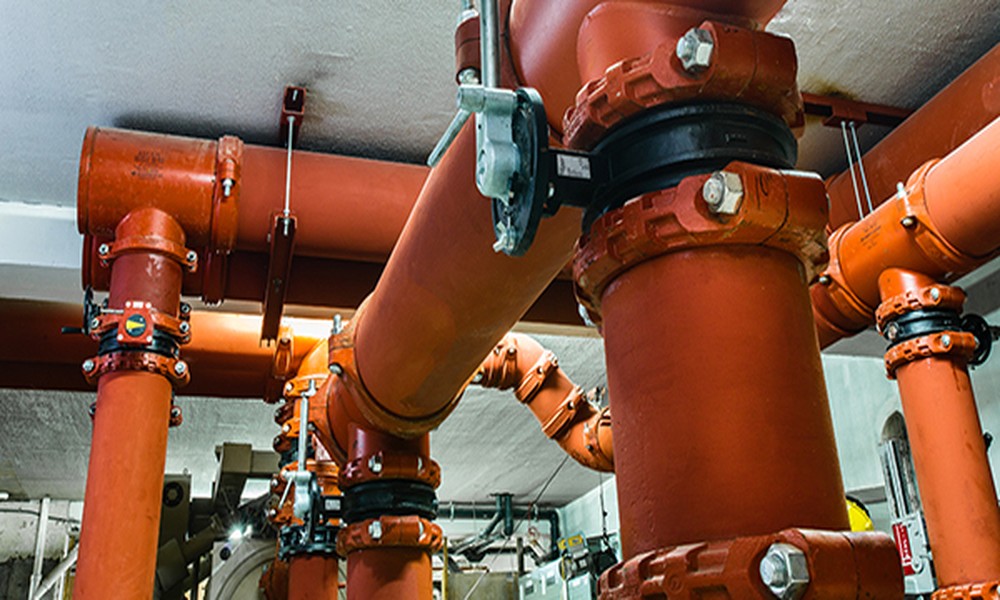
Victaulic couplings are mechanical pipe joining systems that connect pipes using a grooved-end design. The pipe ends are grooved, and a coupling housing with a gasket is placed over the joint. Bolts and nuts are tightened to secure the connection, creating a strong and leak-resistant seal.
Unlike rigid welded joints, these couplings allow controlled flexibility, which helps piping systems adapt to movement, vibration, and thermal expansion.
Key Benefits of Victaulic Couplings
Faster Installation
Victaulic couplings can be installed significantly faster than welded or flanged connections. This reduces project timelines and lowers labor costs, especially in large-scale installations.
Enhanced Safety
Since no welding or hot work is required, the risk of fire hazards and exposure to harmful fumes is minimized. This makes job sites safer for workers.
Flexibility and Movement
Flexible couplings allow pipes to expand, contract, and move slightly without causing stress or damage. This is particularly important in systems subject to vibration or temperature changes.
Ease of Maintenance
Couplings can be easily disassembled and reassembled, allowing quick access for repairs, inspections, or system modifications.
Consistent Performance
The standardized design of Victaulic systems ensures reliable and uniform connections, reducing the likelihood of installation errors.
Common Applications
Victaulic couplings are used across a wide range of industries and applications.
In construction, they are used for HVAC systems, fire protection lines, and water supply networks.
In oil and gas, they provide reliable connections for pipelines that require flexibility and durability.
In water and wastewater treatment plants, they are used for efficient and leak-proof fluid transport.
In manufacturing, they support process piping systems where quick installation and maintenance are essential.
Their versatility makes them suitable for both new installations and retrofitting existing systems.
Installation Tips for Optimal Performance
Ensure Proper Grooving
Accurate grooving of pipe ends is critical for a secure fit. Poorly prepared grooves can lead to leaks or joint failure.
Select the Right Gasket
Choose gasket materials based on the type of fluid, temperature, and pressure conditions. Using the wrong gasket can compromise system integrity.
Inspect Components Before Installation
Check housings, gaskets, and bolts for any damage or defects before use.
Tighten Bolts Evenly
Uniform tightening ensures proper sealing and prevents uneven stress on the coupling.
Follow Manufacturer Guidelines
Always adhere to recommended installation procedures and torque specifications to achieve the best results.
Common Mistakes to Avoid
Over-tightening bolts, which can damage components and reduce effectiveness.
Using incorrect gasket materials for specific applications.
Ignoring proper grooving standards.
Skipping routine inspections and maintenance.
Conclusion
Victaulic couplings are revolutionizing industrial piping systems by offering a faster, safer, and more flexible alternative to traditional joining methods. Their ability to improve efficiency, enhance safety, and simplify maintenance makes them an essential component in modern construction and industrial projects.
By understanding their benefits, applications, and proper installation techniques, you can unlock their full potential and ensure reliable, high-performance piping systems for years to come.
