
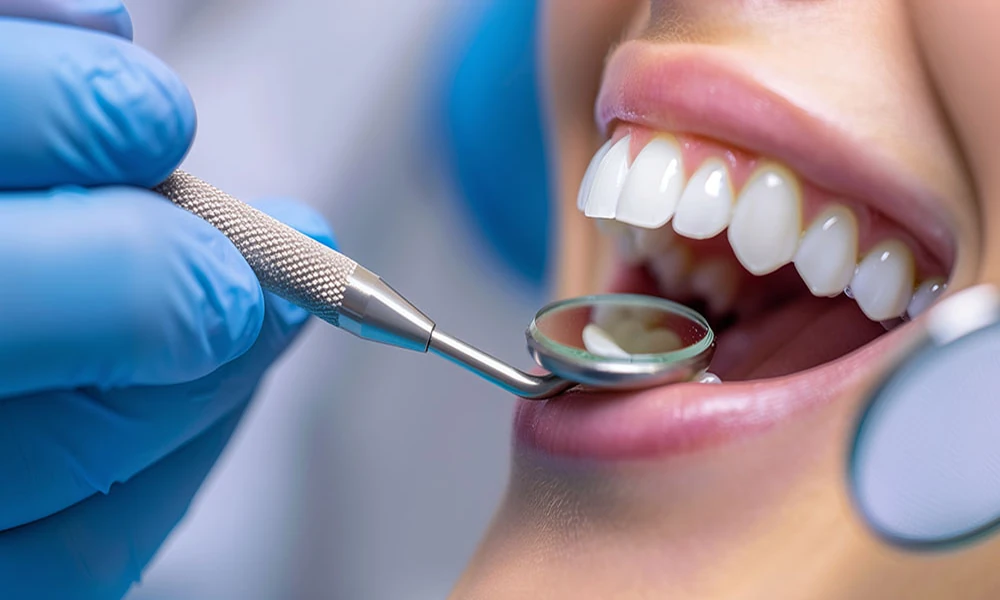
You may be tired of thinking about the same tooth every time you eat, smile, or catch your reflection. A missing tooth can start as a small annoyance and turn into something that follows you through the day. You chew on one side, avoid certain foods, and wonder if the gap is more obvious than other people say it is. If you have been putting off treatment because the cost feels big, that hesitation makes sense, especially when considering dental implants in Chinatown, Lower Manhattan. Dental work is personal, and it is not cheap.
The hard part is that waiting often has its own price. Missing teeth can affect the way you bite, the way your jawbone holds its shape, and the way nearby teeth move over time. That is why many people choose implants even when the upfront cost feels higher. The long view is where they often make the most sense. The long term benefits of dental implants usually come down to function, bone support, comfort, and fewer repeat fixes.
Dental implants protect your bite and daily comfort
When a tooth is gone, the rest of your mouth adapts. That sounds harmless until you live with it for a while. You may start chewing differently, putting more force on certain teeth, or avoiding foods that used to be easy. A removable option can help in some cases, but it may still shift, rub, or limit what you eat.
Implants are placed in the jawbone and topped with a crown that acts like a natural tooth. That stability changes daily life in a very plain, practical way. You can bite into firmer foods with more confidence, speak without worrying that something will move, and stop planning meals around what feels safe to chew. For many patients, this is one of the clearest lasting advantages of tooth implants. You stop managing the problem every day.
According to the NIH overview on oral and dental health, oral health is tied closely to eating, speaking, and quality of life. That connection is easy to underestimate until one missing tooth starts affecting all three.
Dental implants help preserve jawbone and facial structure
Bone needs stimulation to stay strong. Natural tooth roots provide that stimulation when you bite and chew. Once a tooth is removed, the bone in that area can begin to shrink. You may not notice it right away, which is part of the problem. The change is slow, but it can alter the fit of your bite, the spacing of your teeth, and even the shape of your face over time.
This is one reason implants are different from replacements that sit above the gums. An implant post acts in place of the tooth root, helping transfer pressure to the bone. That support can reduce the bone loss that often follows an extraction. The biology behind this matters. The NCBI overview of oral cavity anatomy and function makes clear that the teeth, supporting bone, and surrounding tissues work as a connected system. When one part is missing, the rest responds.
You may be thinking that one missing molar in the back does not seem urgent. That is common. Then a neighboring tooth tips into the space, the opposing tooth shifts, and a simple gap becomes a more complicated treatment plan. A single implant can often prevent that chain reaction.
Implants can lower the cost of repeated dental fixes over time
The upfront fee is usually the biggest reason people pause. That part is real. An implant often costs more at the start than a removable appliance or some bridge options. The better question is what you are likely to spend over the next ten or fifteen years if the first solution needs repairs, relines, replacements, or changes because your mouth keeps shifting.
This is where benefits of investing in dental implants become easier to see. A well planned implant restored by a skilled general and implant dentist can last many years with good home care and regular checkups. That does not mean zero maintenance. You still need cleanings, exams, and healthy gums. It does mean you are often paying for a stable solution instead of paying again and again to manage a moving target.
| Factor | Dental Implant | Removable Replacement |
|---|---|---|
| Stability while eating | Fixed in place, feels closer to a natural tooth | Can shift or loosen during chewing |
| Jawbone support | Helps stimulate bone in the missing tooth area | Does not replace the root or stimulate bone the same way |
| Effect on nearby teeth | Usually stands on its own | May allow shifting if the space is not managed well |
| Long term upkeep | Needs hygiene and checkups, fewer moving parts | May need adjustments, relines, or replacement over time |
Dental implants support confidence without asking you to think about them all day
There is the clinical side, and then there is the private side that people do not always say out loud. You may cover your mouth when you laugh. You may smile without showing teeth. You may feel older than you are because your mouth does not feel whole. Those feelings are not shallow. They affect how you move through work, photos, dinners, and conversations.
Implants tend to blend into normal life because they are meant to function like part of your mouth, not like an appliance you have to monitor. That alone can lift a constant layer of stress. The Oral Health in America report from NIDCR describes how oral conditions can affect well being, social comfort, and day to day health. Teeth are not just cosmetic. They shape how you live.
Practical steps before choosing a dental implant
Get a full exam with imaging. A quick look is not enough. You need to know the health of the bone, gums, and nearby teeth. A clear exam tells you whether an implant is the right fit now, or whether you need gum treatment or bone support first.
Ask for a long term cost comparison. Do not stop at the first price. Ask what maintenance, replacement, or repair may look like over time for each option. A lower starting fee can become the more expensive path if it needs repeated work.
Review your habits honestly. Smoking, teeth grinding, uncontrolled diabetes, and skipped cleanings can affect implant success. This is not about blame. It is about choosing a treatment you can protect for years.
If you have been weighing the cost against the payoff, the answer often becomes clearer when you look beyond the next few months. The 4 long term benefits of investing in dental implants are simple. Better function, better bone support, fewer repeat fixes, and a more natural sense of ease in your own mouth. If you are considering dental implants, schedule a consultation with a general and implant dentist and get a plan based on your health, your goals, and the future you actually want to live with.