
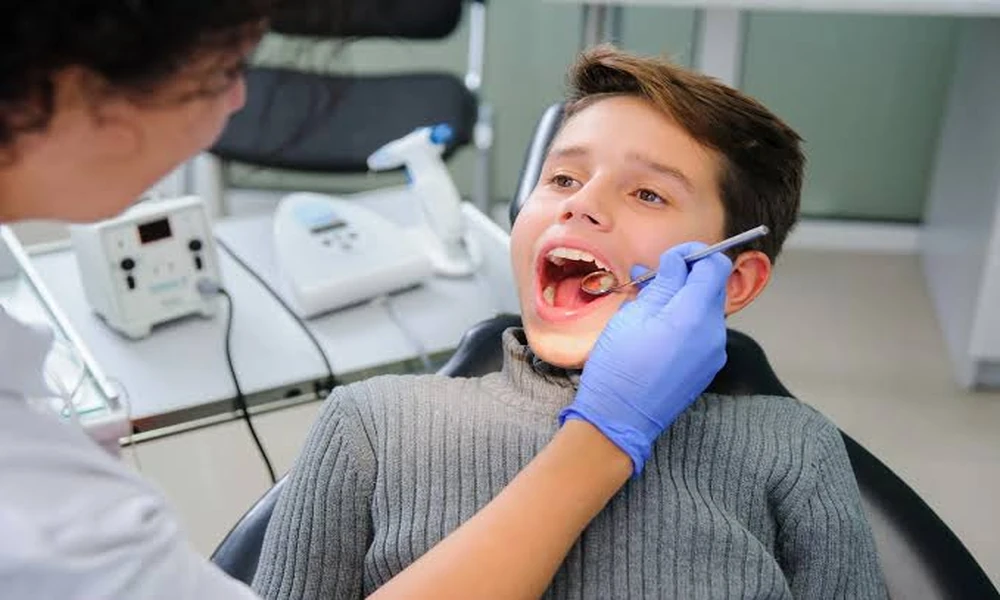
You brush your child’s teeth, you try to limit sticky snacks, and somehow food still gets stuck in the same tiny spots over and over. That can feel frustrating, especially when those grooves in baby teeth seem impossible to clean well at home. You are not imagining it. Some children really do have deeper pits and grooves on their baby molars, and those narrow spaces can hold food, plaque, and bacteria more easily than smoother tooth surfaces. If you are looking for professional dental care for children in Colton, CA, it may help to have those areas evaluated by a dentist.
The short version is simple. Some baby teeth are shaped with deeper natural grooves, some grooves are harder to clean because of where they sit, and once food packs into them, the risk of decay goes up fast. A pediatric dentist can tell the difference between a harmless tooth shape and an early cavity, then help protect those teeth before a small problem turns into pain.
Deep grooves in baby teeth are often a matter of tooth shape
Many parents assume grooves mean something went wrong. Usually, they are just part of the way a tooth formed. The chewing surfaces of back teeth are not flat. They have pits, fissures, and ridges that help break down food. In some children, those grooves are shallow and easy to brush. In others, they are narrow and deep enough to trap bits of crackers, fruit snacks, bread, or even soft foods that do not seem risky.
This is one reason grooves in baby teeth can become such a daily hassle. A toothbrush bristle may glide over the top and still miss what is packed lower inside the fissure. When that happens, plaque sits in place longer, acid stays in contact with the enamel, and decay can begin before the tooth looks obviously damaged from the outside.
Baby molars are common trouble spots because they do a lot of work, and they are farther back in a small mouth. If your child resists brushing, gags easily, or clamps down when you try to help, those grooves stay untouched even when you are doing your best.
Food trapping grooves in children’s teeth can raise cavity risk quickly
Food trapped in a groove is not just annoying. It changes the environment on the tooth. Bacteria feed on leftover carbohydrates and produce acids that weaken enamel. Baby teeth have thinner enamel than adult teeth, so they can break down faster. That is why a spot that looked like a stain a few months ago can turn into a cavity sooner than many parents expect.
You might notice one of a few things first. Your child says “something is stuck” after meals. You keep seeing dark lines on the chewing surface. Floss catches near the back. There is bad breath that does not make sense. Sometimes there are no clear signs at all until a dental exam shows softening in the groove.
This is where timing matters. A deep groove is not always decay, but it can be the perfect place for decay to start. According to the National Institute of Dental and Craniofacial Research’s information on dental sealants, sealants can protect the chewing surfaces of molars by covering pits and fissures where cavities often begin.
Pediatric dentists look for patterns that parents cannot easily see at home
A pediatric dentist does more than glance at the tooth and say whether it looks fine. They check whether the groove is stained or actually soft, whether food is collecting in the same area repeatedly, whether your child’s bite makes cleaning harder, and whether the tooth is at a stage where protection makes sense. That is especially helpful with deep pits and fissures in baby molars, because those surfaces can look minor on the outside while hiding early damage inside.
If your child has a history of cavities, frequent snacking, dry mouth, enamel defects, or brushing battles, the concern rises. The shape of the groove matters, but so does the whole pattern around it. The American Academy of Pediatric Dentistry guidance on pit and fissure sealants supports sealants for teeth with grooves that are at risk for decay.
Home care and professional protection each have a role
You can do a lot at home, but home care has limits when a groove is very narrow. That does not mean you failed. It means the tooth may need more than brushing alone.
| Approach | What it helps with | Limitations |
|---|---|---|
| Careful brushing with fluoride toothpaste | Removes plaque from accessible surfaces and lowers acid damage | May not reach deep fissures that trap food |
| Watching snacks and sipping water after meals | Reduces how long sticky food and sugar stay on teeth | Does not change the shape of the groove |
| Professional exam by a pediatric dentist | Finds early decay, checks tooth anatomy, guides treatment | Needs regular follow up |
| Sealants on at risk chewing surfaces | Covers pits and grooves where cavities often start | Not every tooth needs one, and placement depends on the tooth and child |
Basic prevention still matters every day. The CDC’s oral health tips for children recommend brushing twice a day with fluoride toothpaste and building steady habits early. Those habits lower risk across the whole mouth, even when one or two teeth are naturally harder to clean.
Three steps you can take right away
1. Check the back teeth after meals. Look for the same spots catching food again and again. If one groove always holds debris, that is useful information to share at the next dental visit.
2. Help with brushing longer than you think you need to. Many children do not have the hand skill to clean molars well on their own. Angle the brush into the chewing surface and use small circles, especially on the back baby molars.
3. Schedule an exam if grooves look dark, feel sticky, or seem impossible to keep clean. A pediatric dentist can decide whether the area needs monitoring, a sealant, or treatment. That is the safest next step when you are dealing with baby teeth grooves trapping food and want clear answers.
Small grooves can become bigger problems if they are ignored
When food keeps packing into the same tooth, it usually does not fix itself. The good news is that early care is often simple. Monitoring, better home technique, fluoride support, or sealants may be enough to protect the tooth and avoid a larger repair later. If decay has already started, finding it early still makes treatment easier on your child.
You do not need to guess whether those grooves are normal or risky. If your child’s baby teeth keep trapping food, book a visit with a pediatric dentist and get a close look before discomfort or cavities have a chance to grow.