
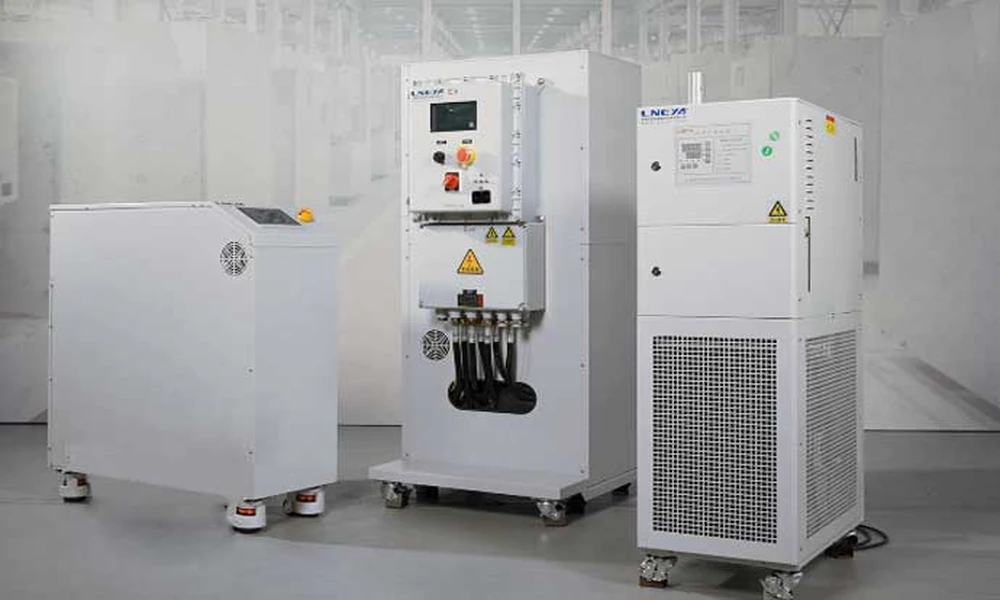
Selecting the right cooling system is essential for maintaining efficiency, consistency, and safety in various industrial and commercial environments. Whether you operate a laboratory, a small-scale production unit, or a specialised processing facility, investing in reliable mini chillers can significantly improve overall performance. However, choosing the right equipment involves more than just comparing prices-it requires a clear understanding of your operational needs and technical requirements.
Making an informed decision also helps in reducing downtime and ensuring consistent output quality across processes. A well-chosen system can support long-term growth by improving operational stability and energy efficiency.
1. Cooling Capacity and Load Requirements
The first and most important factor is determining the cooling capacity your setup requires. Each application produces a different level of heat, and the chiller must be capable of handling this load efficiently. If the system is too small, it may fail to maintain the desired temperature, while an oversized unit can lead to unnecessary energy consumption.
A well-matched temperature control unit ensures stable operation and protects your equipment from overheating. It is also important to consider environmental factors such as high ambient temperatures, especially in Indian conditions, where summers can be intense. Proper load calculation helps maintain consistent cooling and improves the lifespan of your system.
2. Energy Efficiency and Cost Considerations
Energy efficiency is a key concern for businesses looking to manage operational costs. Cooling systems often run for long hours, making power consumption a significant expense. Choosing an energy-efficient chiller can reduce electricity bills and improve overall cost-effectiveness.
- Opt for systems with energy-saving compressors
- Look for eco-friendly refrigerants
- Check for advanced control systems that optimise usage
- Evaluate long-term savings instead of only the upfront cost
- Consider models with variable speed technology
Efficient recirculating chillers not only help reduce costs but also support environmentally responsible operations.
3. Size, Design, and Installation Flexibility
The physical design of the chiller plays an important role, especially when space is limited. Compact systems are often preferred for smaller setups, but it is still necessary to ensure proper installation and ventilation.
- Measure available space before selecting a unit
- Ensure adequate airflow around the equipment
- Consider portable designs for flexible use
- Check compatibility with existing systems
- Choose models that are easy to install and operate
Compact mini chillers are ideal for businesses that need efficient cooling without occupying too much space.
4. Temperature Accuracy and Control Features
In industries such as pharmaceuticals, research, and electronics, maintaining precise temperatures is critical. Even minor fluctuations can impact product quality or experimental results. That’s why it is important to select a system with advanced control features.
A reliable temperature control unit should provide accurate readings, quick adjustments, and stable performance. Features like digital displays, programmable settings, and automated controls can make operations more efficient and reduce the chances of human error.
5. Maintenance and Service Support
Maintenance is an ongoing requirement for any cooling system. Choosing equipment that is easy to maintain can save both time and money in the long run. Systems with accessible components and simple designs are generally easier to service.
Regular servicing ensures that the chiller operates efficiently and avoids unexpected breakdowns. Well-designed recirculating chillers often come with features that simplify maintenance and improve reliability, making them suitable for continuous use.
6. Build Quality and Durability
Durability is another important factor, especially for industrial applications where equipment operates under demanding conditions. A well-built chiller can withstand continuous usage and environmental challenges such as dust, humidity, and temperature variations.
Investing in high-quality equipment reduces the need for frequent repairs and replacements. Strong construction and reliable components ensure long-term performance and consistent results.
7. Safety Features and Compliance
Safety should always be a priority when selecting cooling equipment, especially for sensitive or high-risk applications.
- Look for overload protection and automatic shut-off features
- Ensure the system has temperature and pressure alarms
- Verify compliance with industry standards and certifications
- Choose units with secure electrical and mechanical components
- Consider systems designed for safe continuous operation
Choosing the right cooling system requires careful evaluation of multiple factors, including capacity, efficiency, design, and durability. By understanding your specific needs and selecting equipment accordingly, you can ensure smooth and reliable operations. High-quality mini chillers offer a practical solution for various applications by delivering consistent cooling and improved efficiency. For demanding setups like high pressure reactors, selecting the right system becomes even more important to maintain safety, precision, and long-term performance.